
PORTAL is one of the nation’s leading independent academic research groups addressing the development, regulation, evidence-based use, and cost of medical products.
PORTAL is an interdisciplinary team focused on generating evidence to make people healthier and live longer by improving how prescription drugs and other therapeutics are developed, regulated, used, and reimbursed. We deliver rigorous, timely research and engage with stakeholders to advance evidence-based policy solutions.
PORTAL is a research group in the Division of Pharmacoepidemiology and Pharmacoeconomics within the Department of Medicine at Brigham and Women’s Hospital and Harvard Medical School.
List Price Reductions Among Brand-Name ICS-LABA Inhalers In 2024 Were Associated With Increased Generic Uptake
Han J, Wang SV, Kesselheim AS, Avorn J, Feldman WB | Health Affairs
Following the American Rescue Plan Act’s removal of the Medicaid rebate cap in January 2024, brand-name ICS-LABA manufacturers reduced list prices by 21-50%, and generic ICS-LABA use immediately increased by 23%, driven by gains in commercial plans and Medicare. The authors conclude that these list price reductions likely limited brand-name manufacturers’ ability to offer large rebates to pharmacy benefits managers (PBMs), disrupting financial incentives that had previously affected formulary design that suppressed generic uptake.
Subscribe to the PORTAL Post
Get the latest research and updates from PORTAL delivered straight to your inbox in our monthly newsletter.

New to Prescription Drug Policy?
Join the more than 100,000 people who have enrolled in our free, online HarvardX course, Prescription Drug Regulation, Cost, and Access: Current Controversies in Context. Led by PORTAL faculty, this course explores the major issues affecting the regulatory approval and evidence-based use of prescription drugs.
The Latest From PORTAL
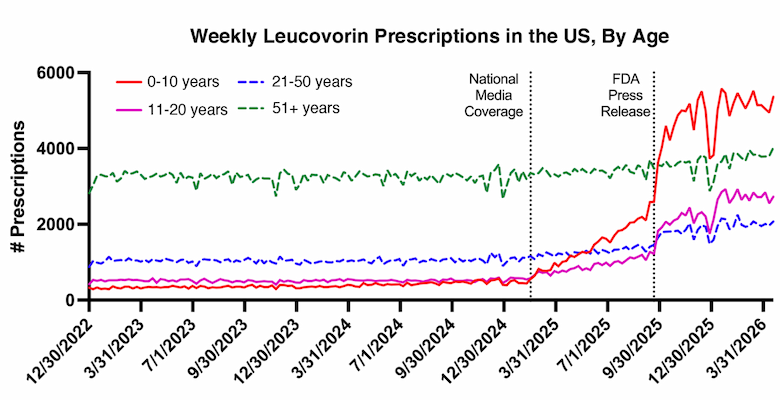
Use of Leucovorin After the FDA Announcement of Its Use for Autism Spectrum Disorders
Rome BN, Kim J, Figueroa JF, Kesselheim AS - Pediatrics
- Research Publications
- Regulation and Clinical Evidence

Early Generic Semaglutide in Canada—Implications for US Patients and Policy
Tu SS, Kesselheim AS, Tadrous M, Beall RF - JAMA Internal Medicine
- Commentary & Opinion
- Innovation Incentives and Competition
- Price, Value, and Access
When Constitutional Theory Collides With Health Care Accountability—The False Claims Act at a Crossroads
Tu SS, Kesselheim AS - JAMA Health Forum
- Commentary & Opinion
- Innovation Incentives and Competition